In honor of National Mentoring Month, hear from several 2025 ATHENA Award finalists in an insightful Q&A series! Discover the power of mentorship as these seasoned businesswomen share their wisdom, experiences, and advice on the power of mentorship.
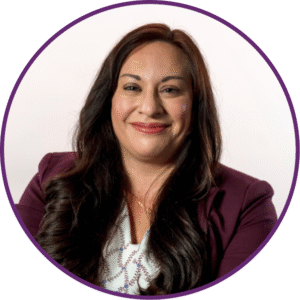
Elvy Barton, Water and Forest Sustainability Senior Manager, Salt River Project
How did you first get involved in mentoring, and what motivated you to become a mentor?
My first memory of mentoring dates back to high school where I mentored teammates on how to become a policy debater. I didn’t realize it at the time that teaching and supporting my peers was a form of mentoring. Fast forward to my time at the Arizona Legislature, one summer I mentored a House Page that was interested in becoming a policy analyst. I was excited to share my knowledge and provide guidance to someone who was eager to learn. 15 years later, we are still close and I look back fondly on our mentor/ mentee time.
What qualities do you think are most important for a mentor to possess?
Listening! Honestly, most of the time when I mentor an individual, I ask a lot of questions to understand where they are currently and where they want to head and just listen. I also love hearing about their journey and aspirations. Everyone’s path is different, so a mentor has to listen closely so that you can provide the best guidance for the individual.
How do you approach building a strong and trusting relationship with your mentees?
Time and respect are the most important pieces to building a trusting relationship. You have to take the time to get to know your mentee and create a connection. Also, over time the respect for each other will grow and that also helps build trust to have difficult conversations or provide guidance that may be hard to hear. Having a mentor that you can trust, even throughthe hard times, is invaluable. It’s important to have that special person in your corner at all times.
As a female mentor, have you faced any unique challenges, and how did you overcome them?
I think in the past there was this notion that there was only one seat at the table for a woman, which created a competitive environment instead of a supportive environment. I think that breaking down that outdated notion and thinking of my women peers as teammates and finding ways to always support each other is how we can overcome this outdated challenge.
Can you share a memorable lesson or piece of advice that you’ve learned from your own mentorship experiences?
Mentors can be informal or formal and can be for different parts of our lives. Don’t be afraid to ask someone to be a mentor. I meet with my trusted network to ask them for their advice and bounce ideas off of them all the time. It never hurts to ask!
How did you first get involved in mentoring, and what motivated you to become a mentor?
I was first motivated to mentor when I saw my leaders demonstrate a deep concern for people through sincere and effective communication, as well as a genuine familiarity.
An incredibly constructive memory for me was meeting the longtime CEO of Quest Diagnostics, Ken Freeman (and longtime Professor Emeritus at Rutgers), once, and then, when reconnecting with him months later, he remembered me personally. Our organization had nearly 20,000 employees at the time, but he still remembered my name. He showed me a genuine care for people through sincere, effective communication and a familiarity that I hadn’t seen in other leaders.
This inspired me to become a mentor. My first experience as a mentor was with an organization called Women Unlimited, now known as AscentPoint Leadership. High-potential women from various industries formed 1-year matrix mentor groups to help achieve a “breakthrough” year. It was encouraging and rewarding to enter into the lives of other businesswomen with a listening ear, sound advice and accountability. It inspired me to pursue mentoring opportunities in my business and community as a way of life.
For me, serving and building up other people has always been a priority. Still, the respect and openheartedness I experienced firsthand from my mentors strengthened my already people-first mentality as a servant leader.
What qualities do you think are most important for a mentor to possess?
My mindset around mentorship is to remember the lessons you have learned and follow the example of the great leaders in your life, whoever they may be. And to always be compassionate and thoughtful, encouraging those around you to be the best version of themselves.
How do you approach building a strong and trusting relationship with your mentees?
I have always worked to be an example and pass down the knowledge and guidance I have received. I believe that mentees are peers, and together, we continually raise each other up and inspire one another to grow.
As a female mentor, have you faced any unique challenges, and how did you overcome them?
I have found women in particular “burn the candle” at both ends. We often prioritize the needs of others ahead of our own. The challenge is that we find this behaviour rewarding and satisfying, but it can lead to burnout.
I have overcome this challenge by learning to define myself not by my actions or the opinions of others, but by embracing my true identity as a child of God. Understanding my identity and purpose has allowed me to manage my time, talents, and resources more efficiently and strategically.
Can you share a memorable lesson or piece of advice that you’ve learned from your own mentorship experiences?
In recent years, I mentored a woman who, despite battling cancer, chose to remain at work, solving problems, supporting patients, and helping others do the right thing. She has shown true resilience, and although she is someone I have mentored, witnessing her navigate this journey inspires me, and I am even more in awe of her. This experience reinforced that the most impactful mentorship is grounded in empathy. Her determination and grace under pressure reshaped how I think about leadership as presence, support and shared humanity.
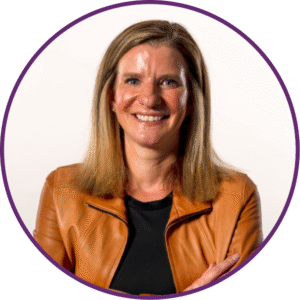
Grenee Martacho, CEO, Concord General Contracting
How did you first get involved in mentoring, and what motivated you to become a mentor?
When I joined SMPS nearly 20 years ago, they had a mentor/mentee program, and I volunteered to mentor newer marketers entering the industry. I was paired with a woman contemplating leaving her position at an architecture firm to start her own business. Although I was earlier in my career at the time, I discovered that my expertise in strategic and business planning helped her, as a licensed architect, to confidently decide to launch her own firm. Fast forward to today, and she has just celebrated her 10th anniversary as the owner of a successful architecture firm!
While that experience was part of an organized mentorship program, my other mentoring relationships have been much more organic, offering advice on career moves or guidance on how to demonstrate value as a leader. Throughout my career, I have had mentors who have supported me along the way, and I still have trusted mentors I can reach out to for advice. I truly believe I wouldn’t be where I am today without their guidance. Serving as a mentor allows me to share the skills I’ve learned from others and continue that cycle of support. The joy I feel when I see someone achieve their goals, grow in their roles, and shine as a leader is my greatest joy, it’s almost like I’m growing alongside them all over again.
What qualities do you think are most important for a mentor to possess?
Being a mentor means showing up as your authentic self. When someone comes to me with a question, I take a moment to listen to their struggles. Instead of jumping straight to solutions, I ask more questions and provide guidance on how to approach the issue. It’s important to understand that sometimes, people don’t necessarily want advice, they just want to be heard. In those moments, I often ask, “Do you want help with this, or do you just want to talk?” This simple question has led many to clarify their needs, whether they say, “I need your help with this” or “I just want to discuss it, but I don’t need your help.” The best part about mentoring is that it often comes down to being present, listening, and recognizing that sometimes people just need a safe space to express themselves.
How do you approach building a strong and trusting relationship with your mentees?
Building a strong mentorship is all about being open and honest, even when it means delivering news that someone might not want to hear. Recently, one of my mentees came to me after a difficult meeting with her boss. I suggested she have another conversation with her boss, as the discussion hinted that her current role might not be secure within the organization. Although receiving that feedback was tough for her, she took it to heart, had the candid conversation, and ultimately found out that her position was being eliminated. While it was hard to hear, she was grateful it didn’t come as a surprise; we had already talked through her concerns, and she felt ready for the outcome. This is one of the toughest parts of mentoring, sometimes you must share uncomfortable truths, but those truths are often exactly what’s needed for long-term growth and development.
As a female mentor, have you faced any unique challenges, and how did you overcome them?
I’ll share my perspective as both a mentor and a mentee. As a woman, there can often be a hesitation to be too bold or outspoken, and the pressure to always say “the right thing” can be overwhelming, even when it’s not what you truly believe. I’ve been told that I have a straightforward approach to mentoring, and it’s true; you can either beat around the bush and deliver a diluted message or provide honest feedback based on how you see the situation. Early in my mentoring journey, I tended to communicate in a more politically correct manner, but I’ve learned that it’s not beneficial for my mentees to miss out on the full picture. When they are facing decisions that could significantly impact their careers, I want to ensure our conversations are honest and cover the good, the bad, and the ugly.
Can you share a memorable lesson or piece of advice that you’ve learned from your own mentorship experiences?
Always ask for what you want and don’t assume others know your career dreams. I remember my boss asking me early in my career what I envisioned for my future. I boldly replied that I wanted to be a shareholder. He seemed surprised but simply said, “That’s going to take a lot of work,” which felt like a challenge accepted moment. I dedicated myself to working hard, surrounding myself with mentors, and learning everything I could in my role. Ten years later, I was offered the opportunity to buy shares in the company. Fast forward fifteen years, and I stepped into my previous boss’s shoes as the CEO of Concord General Contracting. Did I know I would become CEO at that moment? Absolutely not. But I voiced my hopes and made sure I meant it. A mentor once told me, “What you focus on, grows,” and I truly believe that. I didn’t map out my entire path to where I am today, but I never forgot what I originally said I wanted.
Breanna Naegeli, Dean; Honors College & Global Education Programs, Grand Canyon University
How did you first get involved in mentoring, and what motivated you to become a mentor?
I first became involved in mentoring through coaching athletics, which I began at age 18. Over time, coaching naturally evolved into mentoring as I worked closely with young adults not only on performance, but also on confidence, discipline, and essential life skills. While I don’t have all the answers or every life experience, I’m motivated by simply being present—listening, encouraging, and supporting individuals as they navigate their own paths and growth. I often joke that while I may not know exactly what I want to be when I grow up, I do enjoy helping others figure out where they’re headed. In that sense, my role in higher education and mentoring the next generation has been both meaningful and deeply rewarding.
What qualities do you think are most important for a mentor to possess?
The most important qualities of an effective mentor include strong communication skills, integrity, and a genuine commitment to the growth of others. A good mentor listens actively, provides honest and constructive feedback, and leads by example. They demonstrate empathy, reliability, and professionalism, while also challenging mentees to think critically, build confidence, and take ownership of their development.
How do you approach building a strong and trusting relationship with your mentees?
I build strong, trusting relationships with mentees by being consistent, approachable, and intentional. I prioritize active listening, create space for open and honest dialogue, and seek to understand each individual’s goals, values, and challenges. By maintaining confidentiality, offering thoughtful feedback, and following through on commitments, I establish credibility and trust while supporting their growth with both encouragement and accountability.
As a female mentor, have you faced any unique challenges, and how did you overcome them?
Yes, one challenge I’ve encountered as a mentor is learning to balance deep care and advocacy with appropriate boundaries—especially when I see strong potential in someone. Over time, I’ve learned that I cannot want growth or success more than the mentee does. I overcome this by meeting individuals where they are, setting clear expectations, and empowering them to take ownership of their goals while I provide guidance, accountability, and support rather than carrying the responsibility for their outcomes.
Can you share a memorable lesson or piece of advice that you’ve learned from your own mentorship experiences?
One of the most impactful lessons I’ve learned is that effective mentorship is less about having all the answers and more about asking the right questions. The mentors who shaped me most taught me to think critically, reflect honestly, and build confidence in my own decisions. They also reinforced that meaningful impact is rarely achieved alone—shaping my philosophy that while you can go fast alone, you go far and make the greatest impact by building and empowering a team – reinforcing that sustainable success comes from empowering others and moving forward together.
Brandie Reiner, Executive Director, National Association of Social Workers, Arizona Chapter
How did you first get involved in mentoring, and what motivated you to become a mentor?
My involvement in mentoring began during college through a service-learning project that connected us with at-risk middle school students. My motivation was straightforward: I know what it’s like to navigate systems without a map or safety net, and I’ve always wanted to follow the example set by my mentors. Mentorship is my way of ensuring others don’t face difficulties alone. It reflects my dedication to equity, opening doors, honestly explaining how institutions operate, and empowering individuals to gain the confidence and skills to claim spaces they were always meant to occupy.
What qualities do you think are most important for a mentor to possess?
I think the most important qualities are consistency, integrity, and the ability to listen without judgment. A strong mentor is both honest and affirming, someone who tells you the truth with care, not judgment or pressure. I also think humility matters a great deal. Mentors should be willing to learn, admit when they don’t know, and recognize the mentee as the expert of their own life. Finally, advocacy is essential. A mentor shouldn’t only offer private advice; they should also leverage their voice, networks, and credibility to generate opportunities and defend mentees against unfair or unjust systems.
How do you approach building a strong and trusting relationship with your mentees?
I start by creating a safe environment for them to process, making it clear that they don’t have to perform or be “perfect” to earn support. I clarify expectations early, including confidentiality, communication style, and goals, and I ask about their needs rather than making assumptions. Trust develops through consistent follow-through, showing up as promised, maintaining reliability, and being present even during challenging times. I aim to lead with curiosity and respect while checking my own assumptions. My primary goal is to support their autonomy by helping them define their desires, recognize obstacles, and create a plan that reflects their values rather than mine.
As a female mentor, have you faced any unique challenges, and how did you overcome them?
Yes, there are distinct challenges, and many women mentors recognize them right away. There’s often an expectation that we’ll always be available, emotionally accommodating, and take on more “care labor” than male colleagues. Sometimes, being direct is seen as being difficult, while nurturing can be dismissed as unprofessional. I’ve learned to handle this by setting clear boundaries and refusing to diminish my leadership. I communicate openly, protect my time, and demonstrate that boundaries are healthy in a professional setting. I also build community with other women and allies because mentorship shouldn’t be done in isolation. Support from others helps me stay grounded and committed to acting with integrity.
Can you share a memorable lesson or piece of advice that you’ve learned from your own mentorship experiences?
One of the most memorable lessons I’ve learned is that mentorship isn’t always about having the right answers or giving the perfect advice. Sometimes the most meaningful thing you can do is hold space with someone while they sort through something difficult. My mentors rarely tell me what to do, instead, they remind me to trust my intuition, stay anchored in my values and principles, and make the decision that aligns with who I am.